
What Is Tartrazine Colour? Uses, Sources, and Key Facts Explained
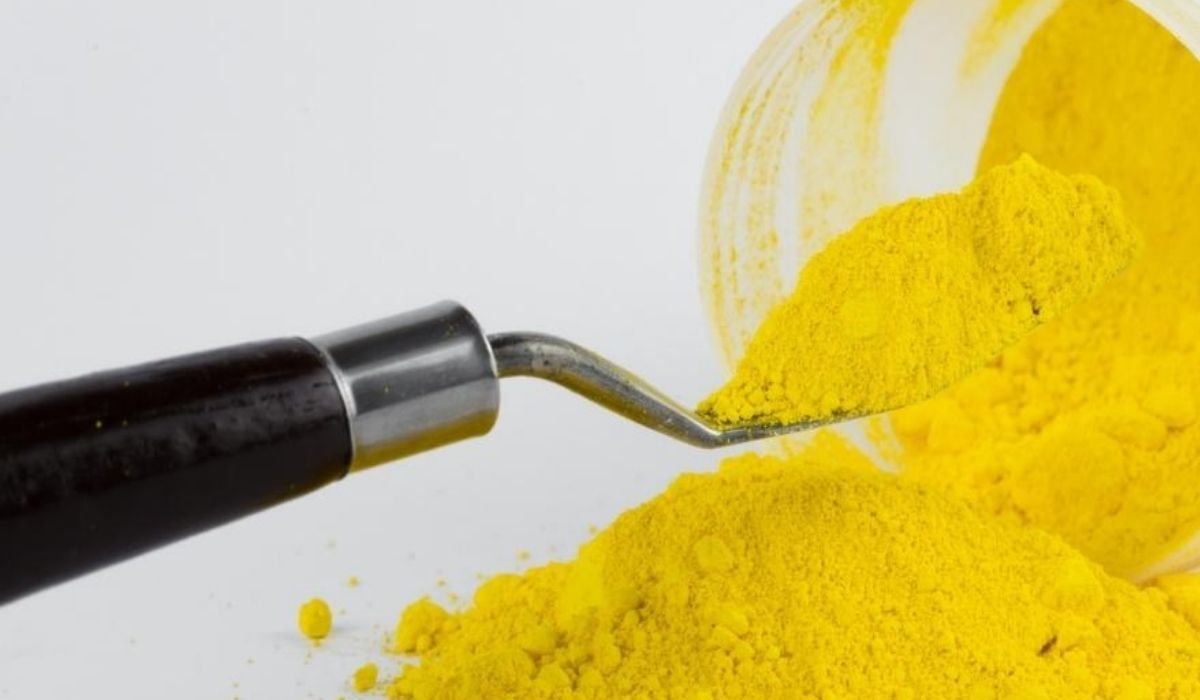
Colour plays a critical role in how products are perceived, particularly in food, beverages, and pharmaceuticals. Among synthetic colourants,stands out due to its bright yellow shade and wide industrial use. Understanding what colour is, where it comes from, and how it is applied helps clarify why it remains relevant across multiple sectors. In global supply chains, references to tartrazine colour manufacturers often appear in discussions around consistency, safety standards, and regulatory compliance, reflecting the structured nature of its production and use.
Tartrazine, also known as E102 or FD&C Yellow No. 5, is a synthetic lemon-yellow azo dye. It is water-soluble, stable under controlled conditions, and valued for its ability to deliver uniform colour at low concentrations. These characteristics make it suitable for applications where colour consistency is essential and natural alternatives may not provide the same stability.
Understanding the Composition and Origin of Tartrazine
Tartrazine is produced through a chemical synthesis process involving petroleum-derived compounds. Unlike natural pigments extracted from plants or minerals, this colourant is created to meet precise specifications related to shade, solubility, and performance.
Its synthetic origin allows for predictable results across batches, which is critical in industries where visual uniformity affects consumer trust. Because the compound is water-soluble, it disperses evenly in liquid and semi-solid formulations, supporting consistent appearance in finished products.
Common Uses Across Industries
It is widely used due to its versatility and cost efficiency. Its bright hue enhances visual appeal and improves product identification.
In the food and beverage sector, it appears in items such as confectionery, carbonated drinks, flavoured snacks, sauces, and packaged desserts. In pharmaceuticals, it is used to colour tablets, syrups, and capsules, helping differentiate dosages and improve product recognition. Cosmetic and personal care formulations may also include it for colouring creams, gels, and hygiene products.
Functional Advantages in Manufacturing
The appeal of tartrazine lies not only in its colour intensity but also in its functional reliability. It remains stable under light exposure and moderate heat, which supports its use in processed products.
Manufacturers benefit from its high tinting strength, requiring smaller quantities to achieve the desired shade. This efficiency simplifies formulation control and supports scalable production processes.
Regulatory Oversight and Safety Standards
Tartrazine is subject to regulatory approval in many countries. Authorities such as food safety and drug regulatory bodies define acceptable daily intake levels and specify permitted applications.
Clear labelling requirements ensure transparency for consumers, particularly those with sensitivities. Compliance with these regulations is a core responsibility for suppliers and processors alike.
Health Considerations and Public Awareness
Public discussion around synthetic colourants has increased awareness of potential sensitivities. Some individuals may experience reactions such as skin irritation or behavioural sensitivity when exposed to tartrazine.
As a result, its use is carefully regulated, and alternatives are sometimes preferred in products marketed toward sensitive populations. Ongoing research and monitoring continue to inform regulatory decisions and industry practices.
Natural Alternatives and Comparative Context
Natural yellow colourants, such as turmeric or annatto, are sometimes used as substitutes. However, these alternatives may present challenges related to colour stability, cost, or interaction with other ingredients.
Supply Chain and Quality Control
Consistency in production depends on strict quality control measures. Purity, particle size, and solubility are monitored to meet application requirements.
Discussions involving tartrazine colour manufacturers often focus on adherence to international standards, batch traceability, and testing protocols that ensure compliance with safety and performance benchmarks.
Environmental and Manufacturing Considerations
Synthetic dye production involves controlled chemical processes designed to minimise waste and manage by-products responsibly. Environmental regulations guide manufacturing practices to reduce impact.
Efficient production methods and responsible sourcing contribute to sustainability goals while maintaining product quality.
Key Facts About Tartrazine Colour
- ● Synthetic lemon-yellow azo dye
- ● Water-soluble with high colour strength
- ● Used in food, pharmaceuticals, and cosmetics
- ● Regulated with defined intake limits
- ● Valued for consistency and stability
Conclusion: Why Tartrazine Colour Continues to Matter
Tartrazine colour remains an important component in modern manufacturing due to its reliability, efficiency, and regulatory acceptance. Its controlled synthesis allows industries to achieve consistent visual results while meeting safety standards. As discussions around formulation transparency and compliance continue, tartrazine colour manufacturers play a central role in maintaining quality and accountability within supply chains. In this context, Tanya Exports represents the broader emphasis on responsible sourcing and adherence to established standards in the colourant industry.