
Tartrazine Colour in Food: Is It Safe and Why Is It Used?
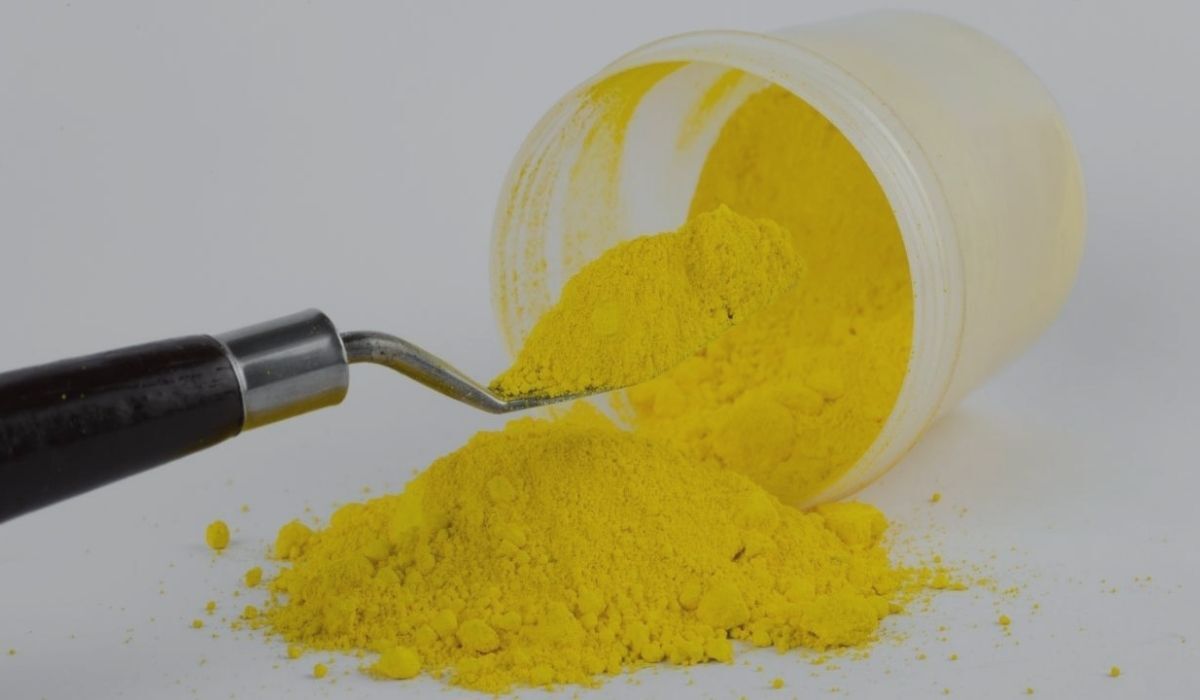
The presence of synthetic colouring in packaged goods, beverages, and confectionery has shaped the appearance and appeal of modern food production. Among these additives, tartrazine remains one of the most widely recognised yellow colourants. As industries continue to scale, the need for reliable sources such as tartrazine colour manufacturers has become more prominent, supporting consistent formulation standards across multiple sectors. Its bright hue, stability, and versatility have positioned it as a core component in various consumable and non-consumable items.
Understanding What Tartrazine Is
Tartrazine, often labelled as E102, is an azo dye used to achieve a vivid yellow shade in food, pharmaceuticals, and cosmetic formulations. It is valued for its solubility, heat stability, and compatibility with other additives. The compound belongs to a group of colourants created through controlled chemical synthesis, enabling uniformity that natural pigments sometimes lack.
Its application extends beyond food manufacturing, appearing in medicines, syrups, textile products, and personal care formulations. This broad utility illustrates its structural resilience and adaptability to different processing conditions.
Why Industries Use Tartrazine
Cost Efficiency and Stability
Tartrazine offers a cost-effective alternative to natural pigments derived from plants or minerals. Natural options may fluctuate in availability or price due to agricultural and environmental factors. In contrast, synthetic variants ensure consistency.
Furthermore, the colour maintains its intensity during heat processing, exposure to light, or extended storage periods. Stability plays a crucial role in large-scale production where uniform colour is essential.
Enhancement of Visual Appeal
Packaging and presentation strongly influence consumer perception. Colourants help products align with flavour expectations—for example, yellow for lemon, mango, or pineapple varieties. Without artificial colouring, many processed goods would appear dull or inconsistent, reducing their market appeal.
Blend Compatibility
Manufacturers often combine tartrazine with other colourants to create blended shades. Its ability to mix effectively while retaining vibrancy makes it a preferred ingredient in layered or multi-flavoured applications.
Where Tartrazine Is Commonly Found
Its use spans numerous product categories, including:
- ● Carbonated beverages and fruit-flavoured drinks
- ● Baked items and confectionery
- ● Seasonings, sauces, and packaged snacks
- ● Gelatine desserts
- ● Ice creams and sweet syrups
- ● Pharmaceutical tablets, capsules, and liquid medicines
These wide-ranging applications highlight its cross-industry relevance and long-standing presence in commercial formulations.
Safety Considerations and Regulatory Oversight
Public interest in food additives continues to grow as consumers seek transparency regarding the ingredients in daily products. Tartrazine has been extensively studied, and international regulatory bodies have established guidelines ensuring its responsible use.
Global Regulations
Authorities such as the Food and Drug Administration (FDA), European Food Safety Authority (EFSA), and Food Safety and Standards Authority of India (FSSAI) oversee its safety parameters. They set acceptable daily intake levels and mandate clear labelling to maintain consumer awareness.
Scientific Consensus
The broader scientific community acknowledges tartrazine as safe for general consumption when used within regulated limits. Decades of research, controlled trials, and toxicological assessments have contributed to a comprehensive safety profile.
Why Tartrazine Remains Relevant Despite Alternatives
Consistency in High-Volume Production
Large manufacturers require ingredients that perform reliably across millions of units. Tartrazine’s predictable behaviour during processing supports efficiency and quality control, making it difficult for natural alternatives to fully replace.
Broader Colour Range Through Blending
Its ability to generate multiple shades when paired with other dyes enhances formulation flexibility. This versatility plays a crucial role in modern food design, where uniformity and precision are vital.
Extended Shelf Stability
Many natural pigments degrade faster when exposed to oxygen, high temperatures, or UV light. Tartrazine withstands these factors better, preserving a product’s visual appeal throughout its shelf life.
Debates and Considerations in Modern Food Science
The discussion around artificial colourants often reflects consumer preference rather than scientific findings alone. A growing segment of consumers favours products labelled as “natural,” prompting brands to explore botanical pigments. However, natural colours also present challenges:
- ● Limited shade intensity
- ● Higher cost
- ● Shorter stability
- ● Batch-to-batch variation
This has resulted in a balanced approach, where industries evaluate both synthetic and natural options based on intended use, target audience, and regulatory requirements.
Future Direction of Food Colouration
Advances in chemistry and biotechnology continue to refine the landscape of colour additives. Research focuses on improving safety, enhancing natural pigment performance, and developing eco-friendly production methods. Meanwhile, regulated synthetic dyes remain essential for applications requiring durability and precision.
Innovation Drivers
- ● Increased demand for clear labelling
- ● Interest in plant-based alternatives
- ● Improvements in extraction and stabilisation techniques
- ● Industry emphasis on transparency and sustainability
These elements collectively influence how colourants evolve and how companies adapt their formulations over time.
How Consumers Can Make Informed Choices
Understanding product labels is an effective way to stay aware of additives. Many regions require clear disclosure of colourants, either by name or identification code. Consumers with sensitivities or preferences can review this information before purchasing.
Additional steps include:
- ● Checking ingredient lists for additive numbers
- ● Monitoring personal reactions to specific products
- ● Consulting healthcare professionals if sensitivities are suspected
- ● Exploring natural-colour alternatives when preferred
Awareness empowers individuals to make decisions aligned with their dietary expectations.
Clarity and Understanding Encourage Better Food Choices
Tartrazine remains a widely used colouring agent due to its consistency, stability, cost efficiency, and versatile performance across industries. Its safety has been evaluated globally through extensive research and regulatory oversight, ensuring responsible use in consumer products. For those engaging in formulation or procurement, understanding this ingredient allows for more transparent decision-making. Producers seeking high-quality supply channels often turn to informed partners such as Tanya Exports, reflecting the practical role played by reliable trade networks in modern manufacturing.