
Enhancing Food Appeal Through Advanced Colour Solutions
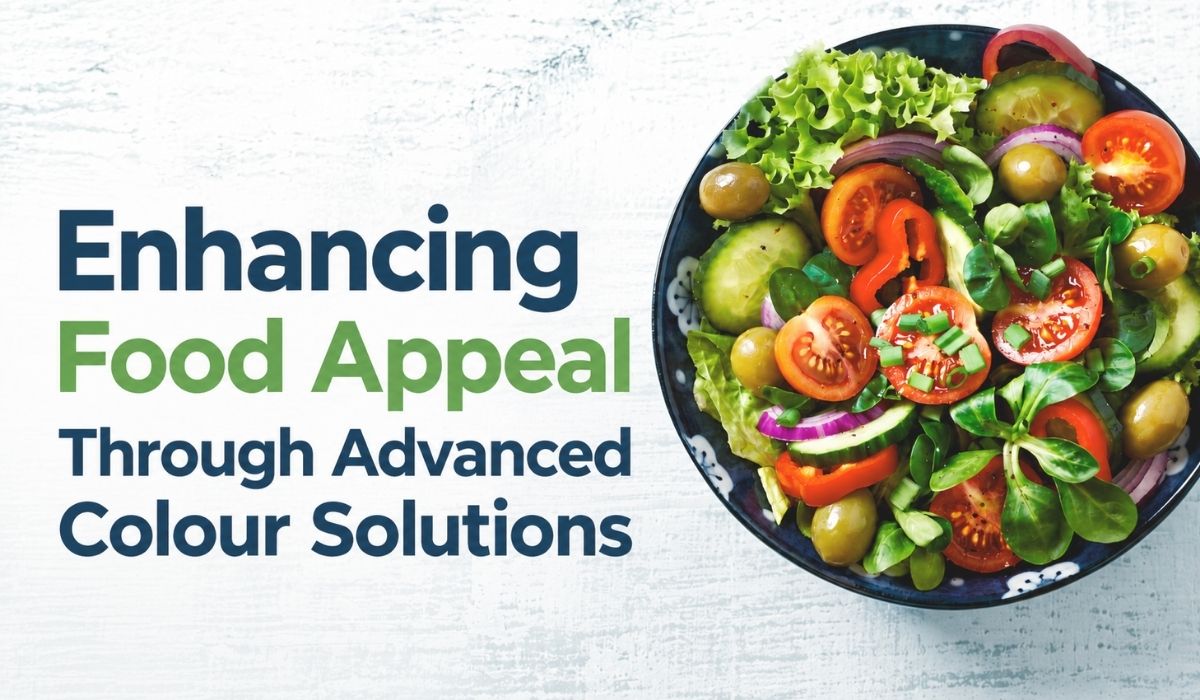
In the competitive food industry, visual presentation is a decisive factor that influences consumer choice. The right colour not only enhances the appeal of a product but also communicates freshness, flavor, and quality. From beverages to confectionery, manufacturers rely on precise colouring solutions to maintain consistency and brand identity. Businesses seeking Food Colour Manufacturers In Ahmedabad often look for partners who can deliver reliable quality while meeting diverse production requirements. They play a key role in ensuring that colours remain stable across processing conditions and storage environments.
Understanding the Role of Food Colours in Modern Production
Food colours are essential in creating visually appealing products that align with consumer expectations. They are used to restore natural colour lost during processing or to enhance the appearance of products for better marketability.
Key functions include:
- ● Improving product attractiveness
- ● Supporting brand recognition
- ● Indicating flavor and type
- ● Maintaining uniformity across batches
- ● Enhancing overall customer experience
With evolving consumer preferences, manufacturers must balance visual appeal with safety and regulatory compliance.
Types of Food Colours and Their Applications
Different industries require different types of colouring solutions. This is where Food Dye manufacturers contribute by offering a wide range of options tailored to specific applications.
| Type of Colour | Source | Common Uses |
|---|---|---|
| Synthetic | Chemically formulated | Beverages, candies |
| Natural | Plant or mineral derived | Organic products, dairy |
| Lake Colours | Oil dispersible pigments | Confectionery, snacks |
| Water Soluble | Easily dissolves in liquids | Juices, syrups |
Each type is designed to perform under specific conditions such as heat, pH levels, and exposure to light.
Factors to Consider When Choosing a Supplier
Selecting the right supplier is critical for maintaining quality and efficiency in production. Businesses should evaluate multiple parameters before making a decision.
Important considerations include:
- ● Consistency in colour output
- ● Compliance with food safety regulations
- ● Ability to customize formulations
- ● Stability under different processing conditions
- ● Scalable production capacity
- ● Technical support and guidance
These factors ensure that manufacturers can maintain product quality while meeting market demand.
Importance of Quality Control and Innovation
Reliable Food Colours Manufacturers focus heavily on quality assurance and continuous innovation. They implement strict testing procedures to ensure that every batch meets required standards. This includes evaluating colour strength, stability, and compatibility with different food matrices.
Quality control processes typically involve:
- ● Raw material verification
- ● Shade matching and calibration
- ● Stability testing under heat and light
- ● Shelf life assessment
- ● Documentation and traceability
Innovation also plays a crucial role, especially with the growing demand for natural and clean label products. Manufacturers invest in research to develop solutions that meet both regulatory and consumer expectations.
Benefits of Partnering with Experienced Manufacturers
Working with experienced suppliers offers several advantages for food businesses. They not only provide high-quality products but also support the entire production process.
Key benefits include:
- ● Consistent product appearance
- ● Reduced production errors
- ● Improved shelf life stability
- ● Access to technical expertise
- ● Faster turnaround times
- ● Support for product innovation
Such partnerships enable businesses to focus on growth while ensuring their products meet industry standards.
FAQs
They enhance visual appeal, help identify flavors, and ensure consistency across product batches.
Yes, when sourced from certified manufacturers that follow strict regulatory guidelines and quality control processes.
Yes, manufacturers offer tailored solutions based on processing conditions such as heat, pH, and storage requirements.
Bakery, beverages, dairy, confectionery, and snack industries rely heavily on them.
Natural colours are derived from plant or mineral sources, while synthetic colours are chemically formulated for higher stability and intensity.
Conclusion
Choosing the right supplier is essential for maintaining product quality, consistency, and visual appeal in food manufacturing. Businesses benefit from working with partners who offer technical expertise, customization, and reliable supply chains. Many companies depend on food colour manufacturers in India to meet large-scale production demands while ensuring compliance with safety standards. Tanya Exports stands out as a trusted provider, offering solutions that support diverse applications and help brands achieve consistent and appealing results.